

- December 9, 2024
- Posted by: Mary Dehinde
- Category: Food and Drink Trails
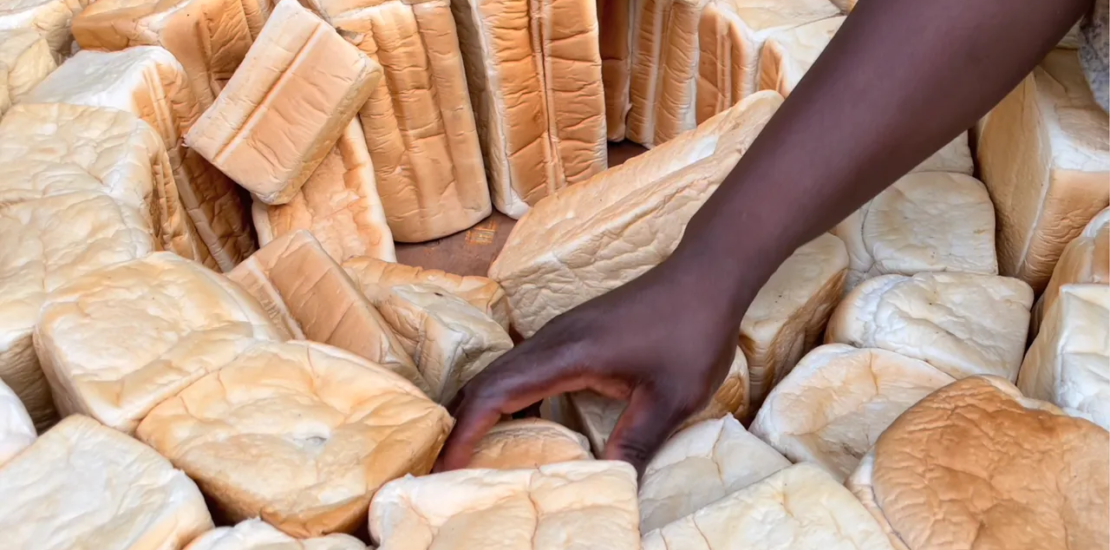
“Buy butter bread!”
“E ra bread to n gbóná, to n yọ butter!”
If you’ve ever walked the bustling streets of Lagos, chances are you’ve heard the catchy sing-song calls of bread hawkers drawing in eager customers with the promise of soft, fluffy loaves. I remember waking up on Saturday mornings to these calls. In fact, I had a favourite oni bread because she always gave me jara.
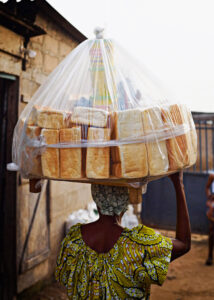
Agege bread is more than a soft, fluffy loaf of bread, it embodies a unique blend of deep history and the rich tapestry of Lagos street food culture. Agege bread has fed generations and earned its place as the ‘unchallenged breadwinner’ of Lagos.
Are you ready to dive into the story behind this iconic bread? Let’s break it down, slice by slice.
The history of Agege bread reflects the evolution of the Nigerian food culture and the interplay between local traditions and global influences. Before the advent of Agege bread, bread was not a staple in the Nigerian diet. Bread was not a common food item in pre-colonial Nigeria, as indigenous communities relied on indigenous staples such as yam, cassava, and various grains. This changed when the immigrants from the Caribbean and Brazil arrived in Lagos in the 19th century.
It is widely believed that the Agudas, also known as the Emancipados played a significant role in introducing bread and its production techniques to Lagos. The first significant attempt at bread production in Nigeria can be traced back to the early 20th century when Jamaican immigrant Amos Stanley Wynter Shackleford established a bakery in Lagos. His business thrived to the point where he was considered ‘the bread king of Lagos’. His ‘Shackleford bread’ would arrive in Ebute-metta and Agege by bus. He continued in this business until he sold out and retired in 1950.
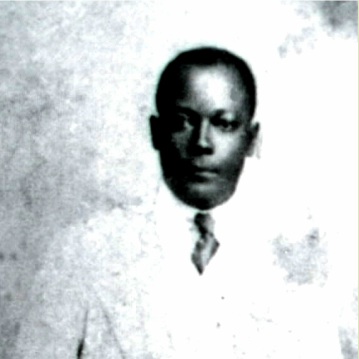
Shackleford’s bakery was pivotal as it introduced a new method of bread-making that utilized a ‘dough brake’, a kneading device that gave bread its unique texture. This innovation laid the groundwork for what would eventually become Agege bread.
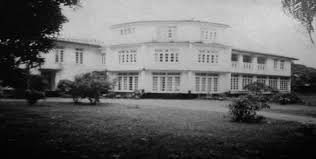
Photo credit: Wheatbaker hotel
In the wake of independence in 1960, the services of Shackleford’s bread empire were disrupted. Some speculate it is as a result of nationalism and a collective push to empower local businesses. However, in the absence of Shackleford’s bread, local bakers rose to the challenge. Enter Alhaji Ayokunnu, an entrepreneur in the suburb of Agege, who industrialized bread-making to meet the needs of a growing population. The bread made in this bakery was named affectionately after its birthplace ‘Agege bread’. During that time, the Nigerian Railway Corporation established a railway station in Agege. This new station led to an increase in pedestrian traffic, creating an opportunity for Alhaji Ayokunnu’s Agege bread to reach numerous households throughout Nigeria. This bread, thick, chewy, and unsliced, was initially made in clay ovens and became synonymous with the area. Its affordability and suitability as a street food staple cemented its place in Lagosian culture.
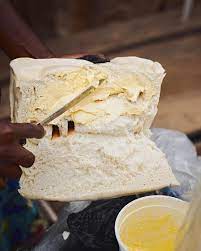
For Lagosians who grew up in the 80s and 90s, Agege bread evokes vivid memories of simpler times. Early mornings often meant the arrival of hawkers, their baskets brimming with freshly baked loaves. Children would rush to buy their morning treat before heading off to school, while adults would grab a quick bite on their way to work. These loaves, paired with akara (bean cakes) or ewa agoyin (mashed beans in spicy sauce); slathered in butter or bama became iconic breakfast staples.

Fast forward to today, and Agege bread has undergone a fascinating transformation. It is now enjoyed with trendy toppings like Nutella, peanut butter, jam,etc. Food enthusiasts and influencers have elevated agege bread’s status. Cafes and bistros have also adopted agege bread into their menus, giving it a modern twist by converting it into sliders and sandwiches while retaining its rustic appeal.
When next you grab your slice of Agege bread, remember—you’re biting into history! Whether enjoyed fresh from a bakery or transformed into a gourmet snack, each bite connects you to the rich cultural heritage of Lagos and the generations that have cherished this iconic loaf.
What a beautiful read!!
Went through a lot of history in few minutes.
Amazing!