
- January 9, 2026
- Posted by: Mary Dehinde
- Category: Art, Music, and Culture
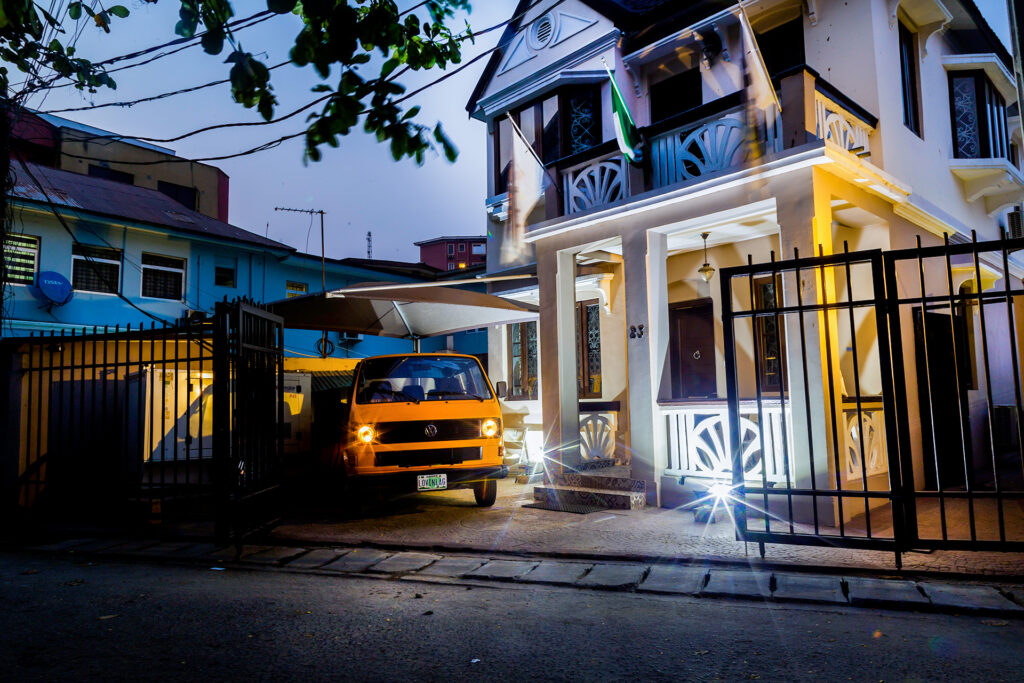
Tucked along Military Street in Onikan is a quiet yet remarkable building that has outlived generations and outlasted trends. But this is not just another vintage house, Onikan House is a living museum and a cultural anchor.
For years, it has been open to the public. It welcomes international and local dignitaries, curious visitors, school children, and history lovers alike. But its journey from a private home to a heritage destination is a story worth pausing for.
The Beginning: A Family’s Curiosity Turned City-Wide Vision
It began as a father’s gesture. Mr. Lawon Adams wanted his children to learn more about the historic places around them. Not from a textbook, but from the streets themselves. So he began taking them on guided trips across the city. They gathered at the Onikan Centre, hopped into a coaster bus, and explored Freedom Park, Tinubu Square, Glover Hall, and the National Museum.


Before long, other family members and friends joined. What began as a personal learning experience turned into a small community of Lagos history lovers. But they encountered one recurring problem – many of the sites were difficult to access. Some were closed off, others lacked context or guides.
Mr. Lawon saw the need for a space of their own. A headquarters. A home for Lagos history.
Finding the Space: The Holloway Legacy
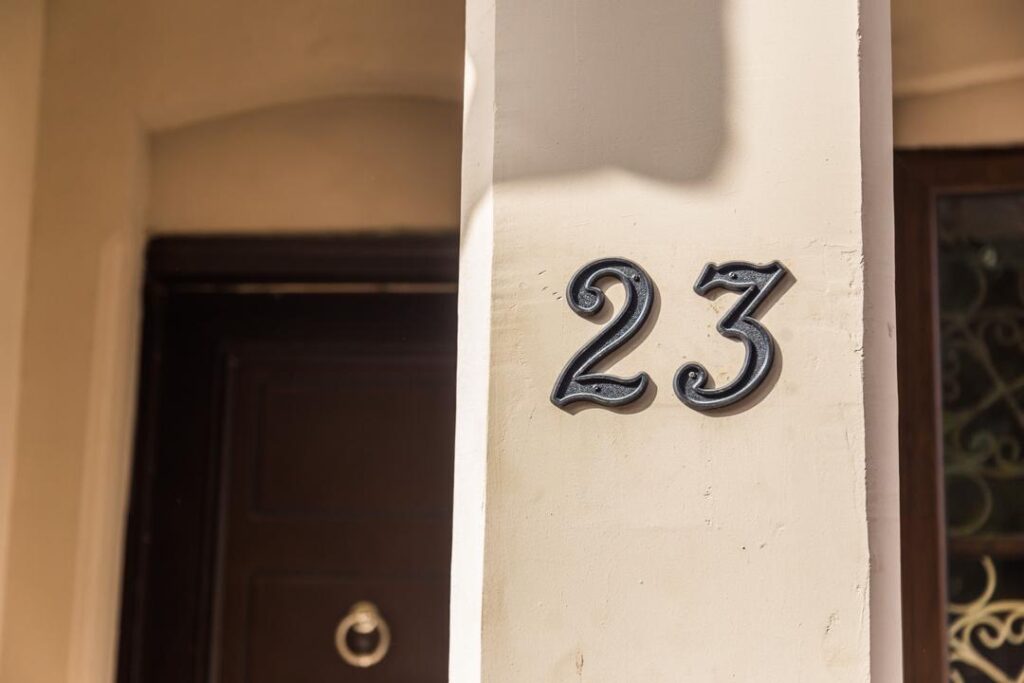
Around the same time, a historic Afro-Brazilian house from the 1930s became available. Located at 23 Military Street, the house had belonged to the Holloway family, descendants of Afro-Saro pioneers and some of the earliest residents of modern Onikan.
It was designed and built by Mr. Joseph Akanni Olumilade Holloway, a railway engineer and skilled draughtsman. His plans were inspired by the Brazilian-Portuguese style brought back by returnee slaves from Bahia. By the early 1940s, Joseph moved his family into the newly built home after relocating from Breadfruit Lane.
His wife, Mabel Holloway, was the daughter of Emmanuel Ojo, a celebrated Broad Street tailor whose clients included government officials and Lagos elites. But the family’s history stretches even further back to Mammy Adeola, a respected matriarch from the Old Oyo Kingdom who was captured during the wars of the 19th century and later resettled in Lagos.
This was not just a house. It was a vessel of legacy.
A New Chapter: Preserving the Past, Reimagining the Future
At first, the Holloway family was hesitant to part with the house. Their late father had left instructions for it to be preserved. Mr. Lawon Adams assured them that he would not demolish the building but would restore and honour its legacy. The family was also invited to continue using the space for family events. They agreed. And with that, the next chapter of Onikan House began.
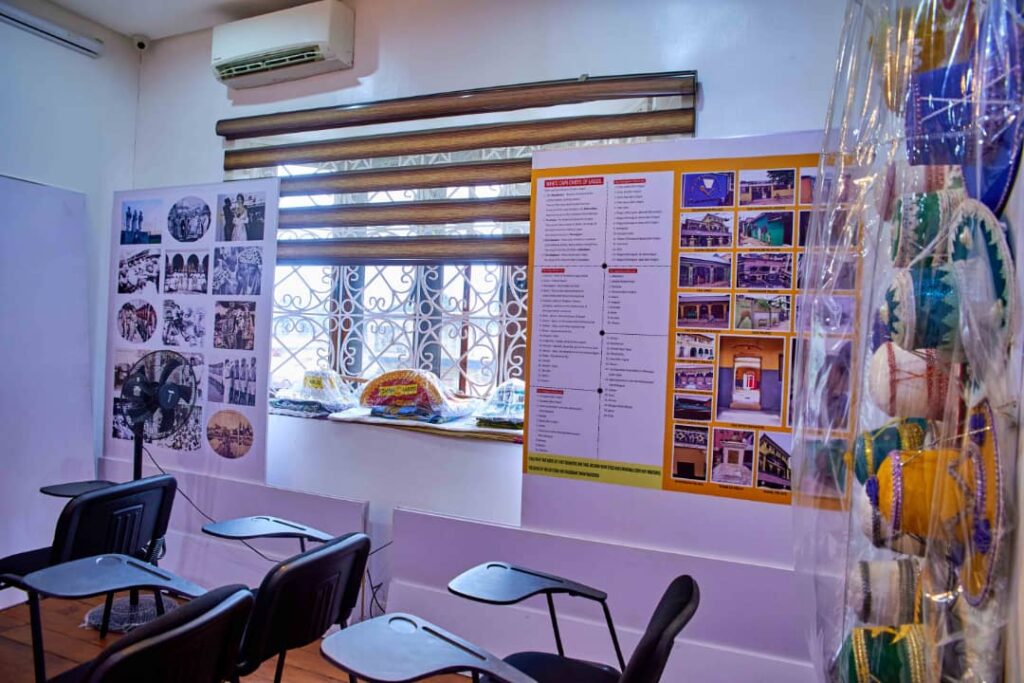
Mr. Lawon and his team chose not to modernise the structure beyond recognition. They kept the original walls, restored the old balconies, and maintained the soft pastel tones of its façade. Inside, they installed curated displays, archival photographs, and storytelling boards. Every detail was treated with care and historical responsibility.
A Space That Breathes History
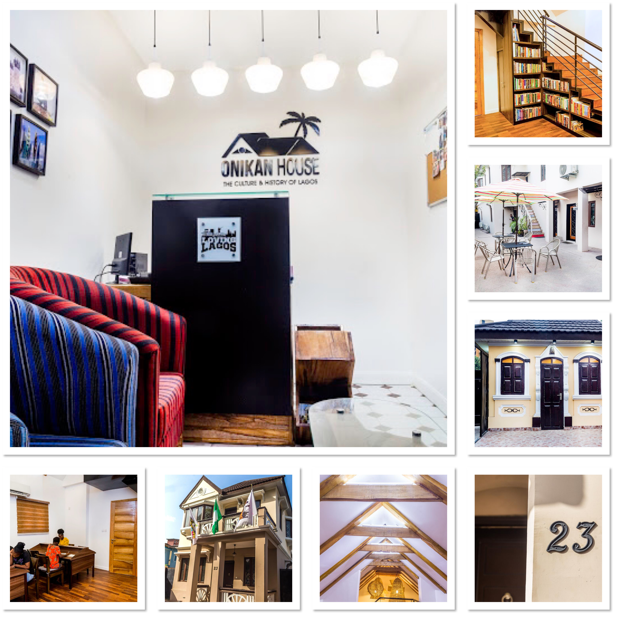
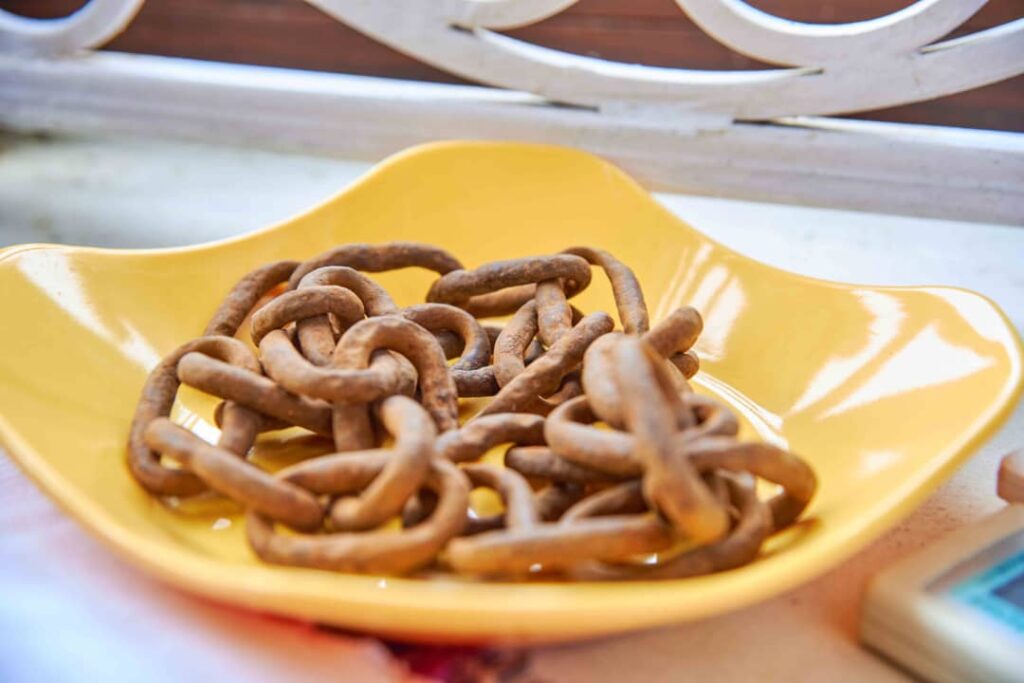
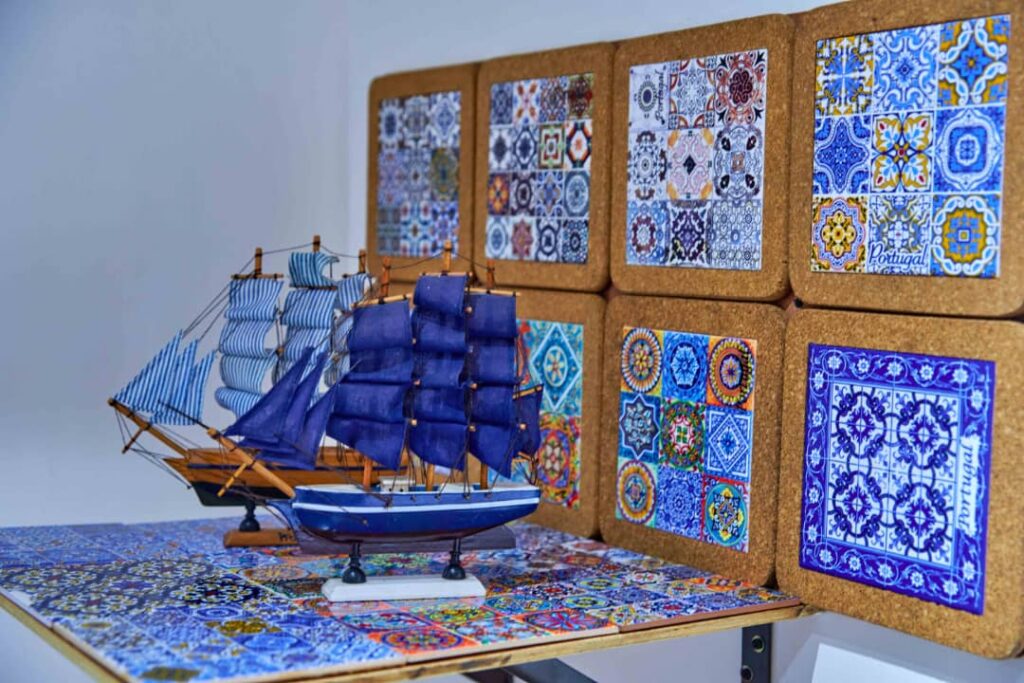
Today, Onikan House is the headquarters of Loving Lagos, a cultural tourism initiative that brings the city’s stories to life. The house hosts exhibitions on Lagos’ history, transport systems, traditional architecture, indigenous textiles, and Afro-Brazilian identity. Its modest library includes Lagos-focused books; its souvenir shop features cultural keepsakes and memorabilia.
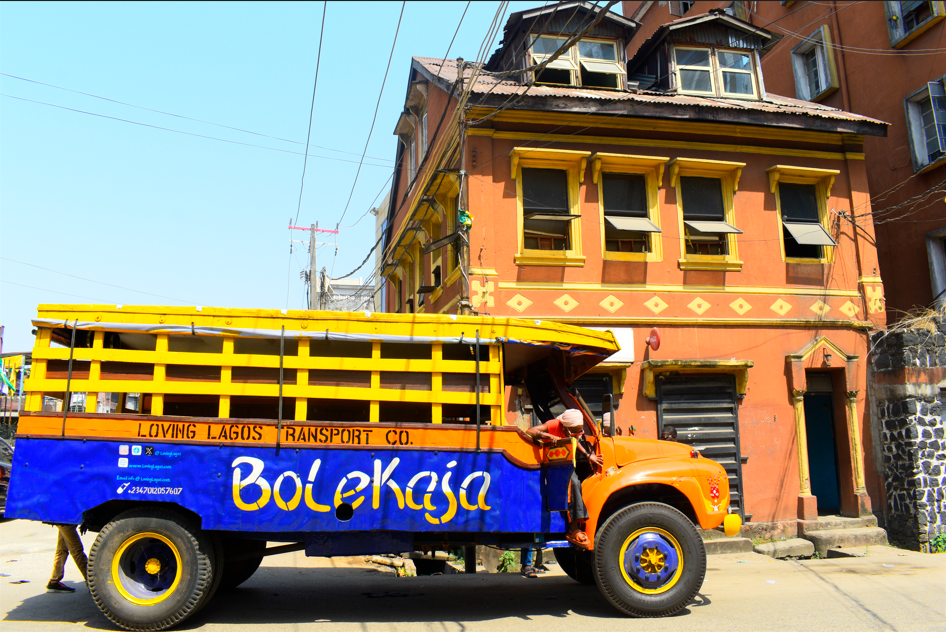
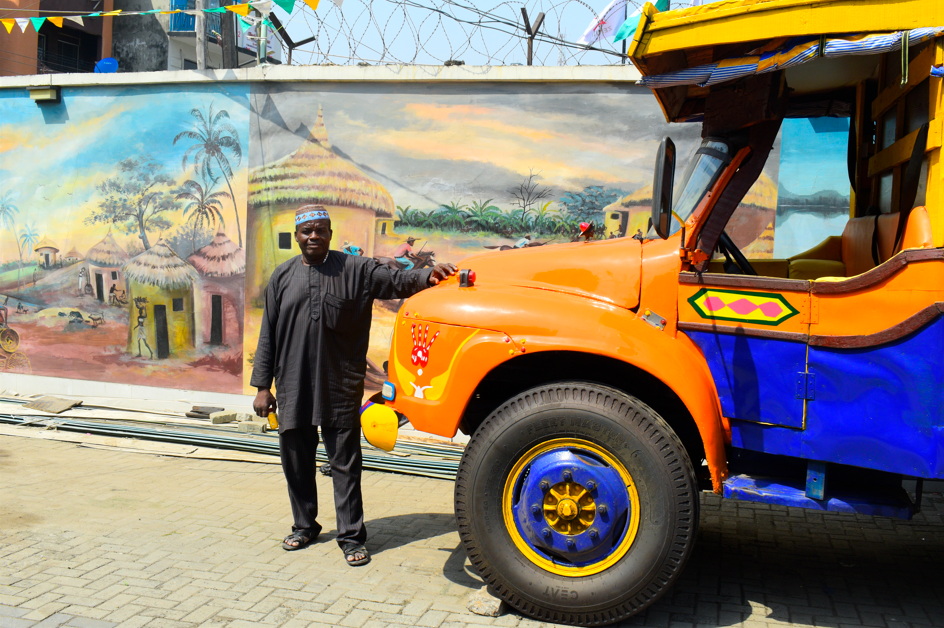
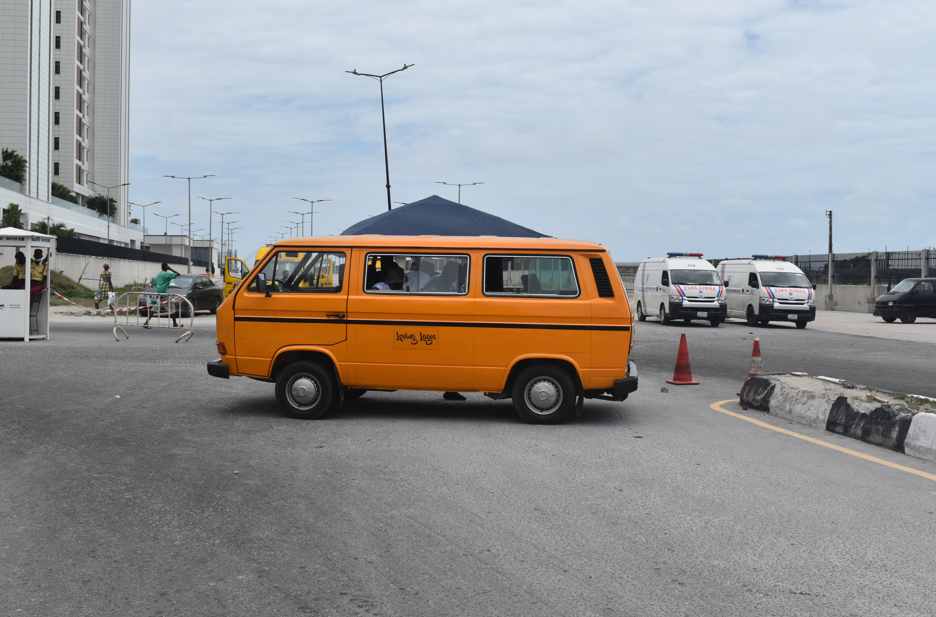
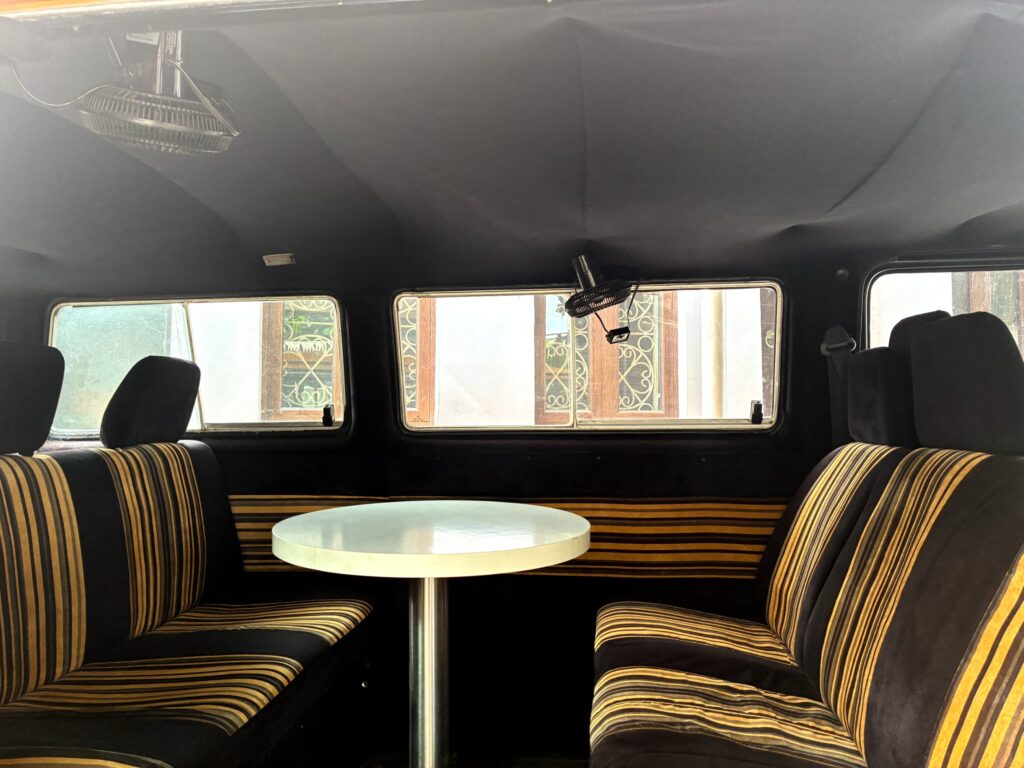
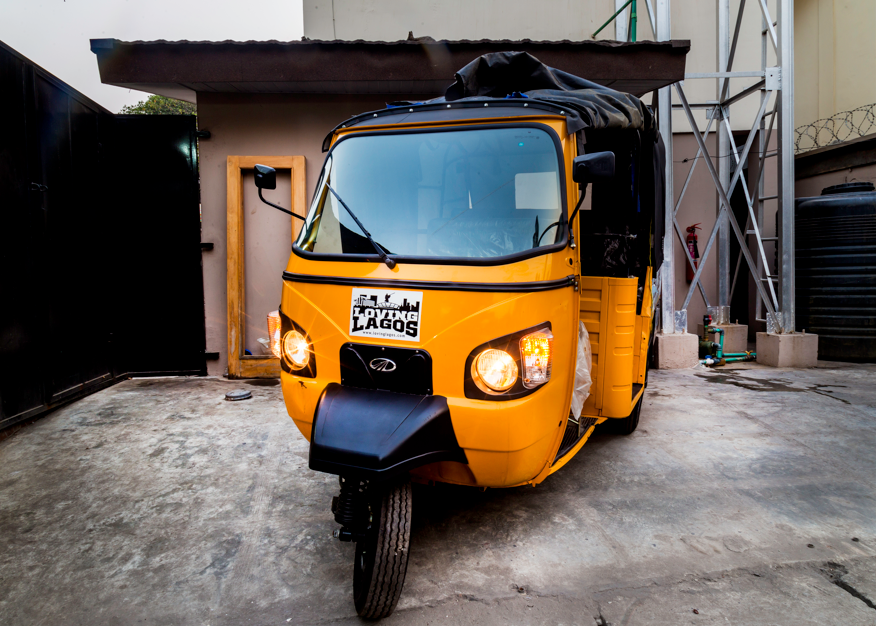
Visitors can join heritage bus tours aboard iconic Lagos vehicles like the Korope, Danfo, Bolekaja, and Maruwa, each offering a nostalgic and immersive way to explore the city’s heartbeat. They can also take part in storytelling sessions or simply soak in the quiet weight of history.


When History Finds You: Olugbile Holloway’s Discovery of Onikan House
Sometimes, history does not wait to be studied. It walks up to you on an ordinary day and says, “you belong here”. That was the experience of Olugbile Holloway, who shared an emotional discovery on Instagram as he had walked into a house tied directly to his family’s past.
“Today I discovered that Onikan House at 23 Military Road Onikan, built in the 1930s, was the home of my great grandfather’s brother, Joseph Olumilade Holloway.”
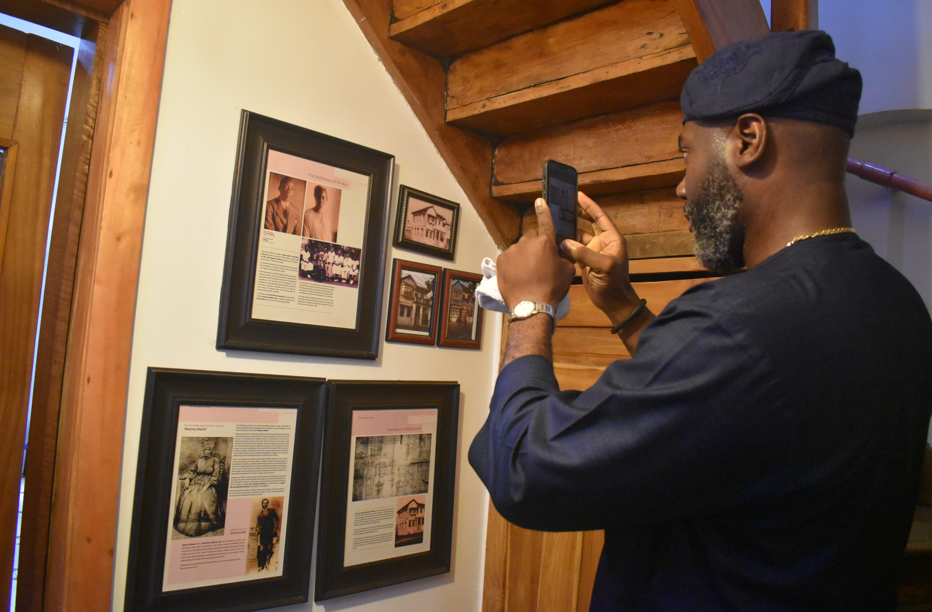
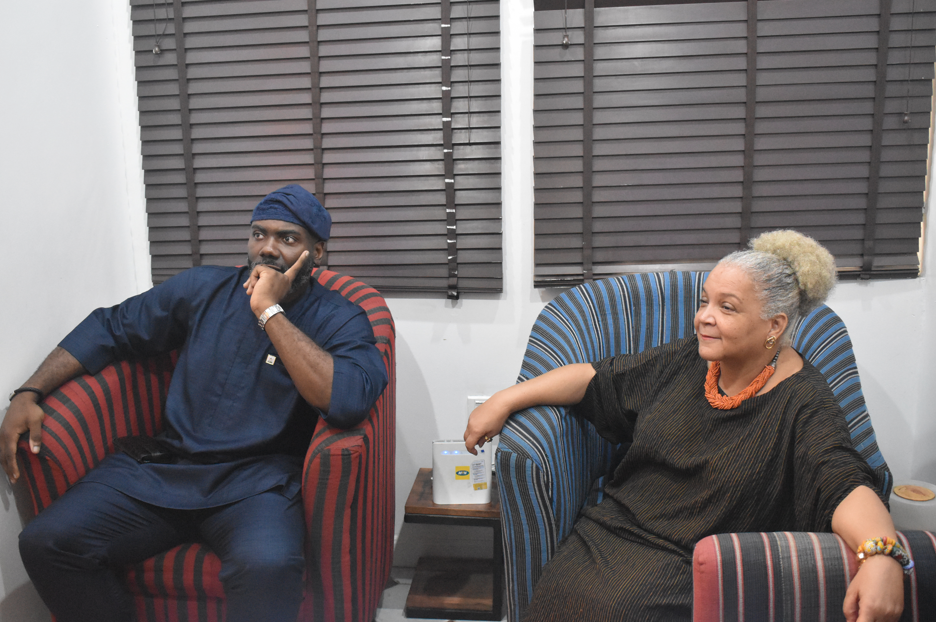
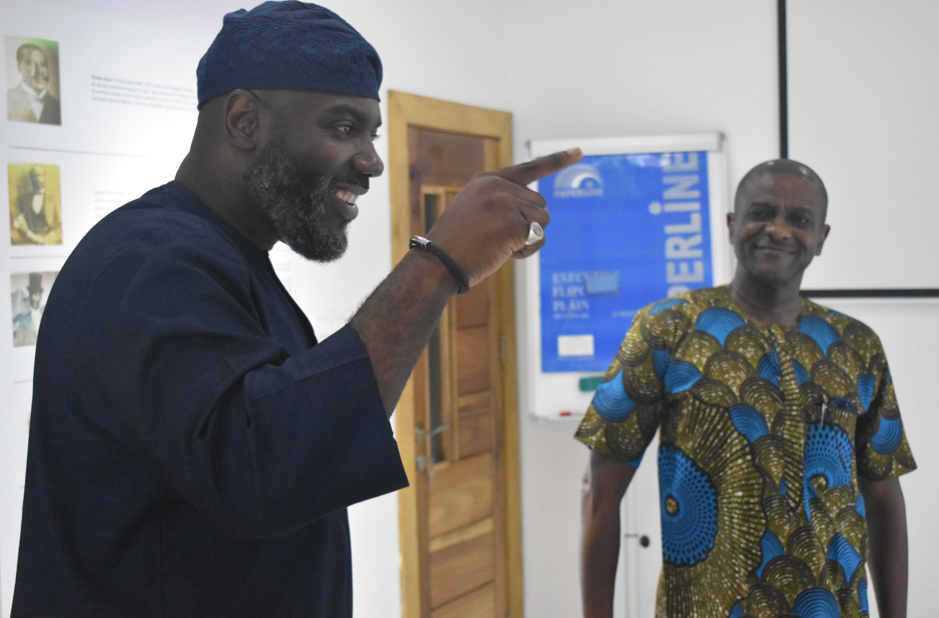
Olugbile’s Instagram post was more than a reflection, it was a personal bridge between legacy and landscape. Just steps away from the Lagos National Museum, the house that once belonged to his ancestor has now become a space where visitors explore the larger history of Lagos.
“To say I was moved by this discovery of not just my family’s history, but of Lagos history would be an understatement.”
Onikan House, through its quiet preservation, had given something back. A name. A face. A forgotten link in a family chain.
“Today was a very special day.”
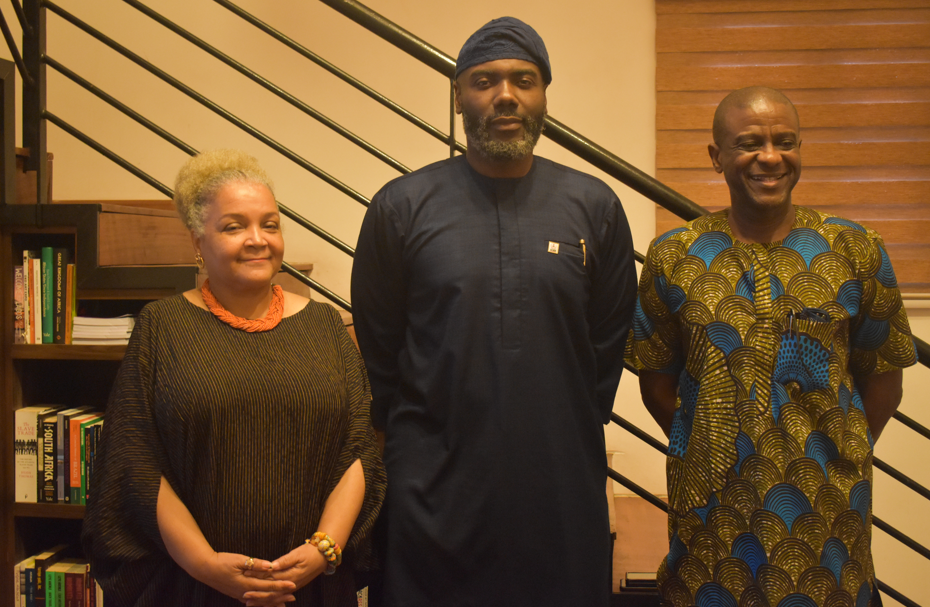
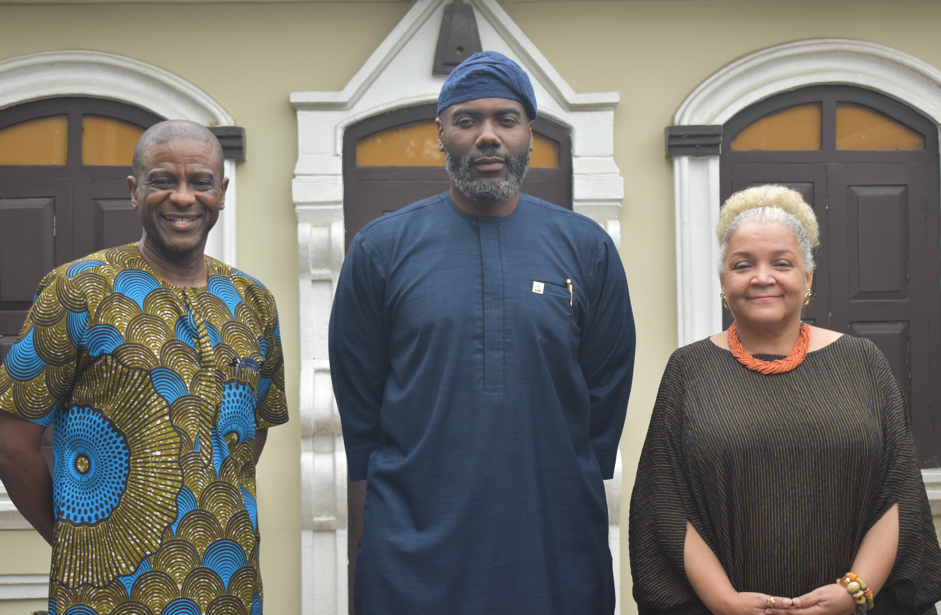
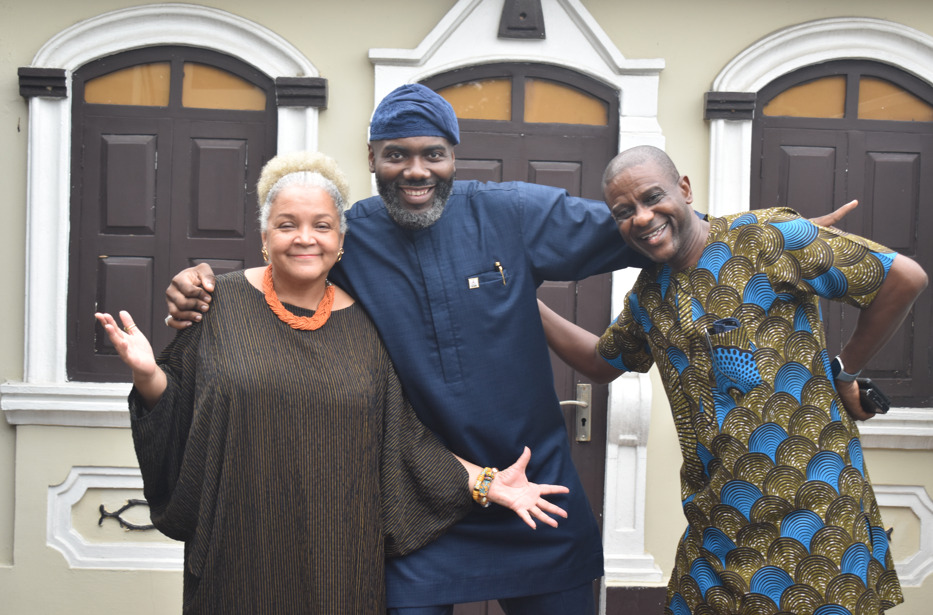
And in that moment, Onikan House lived up to its mission not just to showcase history, but to reconnect us with it.
Why You should Visit Onikan House
In a city moving at a neck-breaking speed, Onikan House offers something rare. It reminds us that our roots matter. It shows that history can be kept, not buried. It gives people, especially young Lagosians, a chance to learn about their city from a place that feels like home. This was never just about a house. It was about creating a space that helps Lagos remember itself.
And it all started with a dad, a few curious kids, and one old building full of stories.
Visit Onikan House at 23 Military Street, Lagos, where the past comes alive.